Common Causes of Settling in Commercial Concrete Slabs
To address settling in commercial concrete slabs caused by soil shifting or poor compaction, local contractors specializing in mudjacking can lift and stabilize the slabs effectively.
Understanding the common causes of settling in commercial concrete slabs can help property owners identify potential issues early and take informed steps to address them. Settling often results from factors such as soil compaction, moisture fluctuations, or improper subgrade preparation, which are practical concerns for many property owners managing parking lots, walkways, or loading docks. Recognizing these underlying causes is essential for maintaining the safety, functionality, and longevity of concrete surfaces, especially in busy commercial environments where even minor unevenness can impact operations.
Local contractors who specialize in concrete slab mudjacking are equipped to assess and address settling issues effectively. By pinpointing the root causes, these service providers can recommend appropriate solutions to restore the levelness of slabs and prevent further problems. Exploring the common causes of settling in commercial concrete slabs provides valuable insight into the importance of proper maintenance and timely repairs, helping property owners keep their surfaces safe and in optimal condition for years to come.
- Commercial parking lots - when uneven settling causes cracks or uneven surfaces, local contractors can perform mudjacking to restore stability.
- Industrial warehouse floors - if foundation shifts lead to uneven concrete slabs, service providers can lift and level the slabs efficiently.
- Loading dock areas - in cases of sinking or cracking due to soil issues, local pros use mudjacking to reinforce and level the surface.
- Sidewalks and walkways - when settling creates trip hazards or uneven surfaces, local contractors can address these issues with mudjacking.
- Building foundations - if underlying soil causes settling, experts can stabilize and lift concrete slabs to prevent further damage.
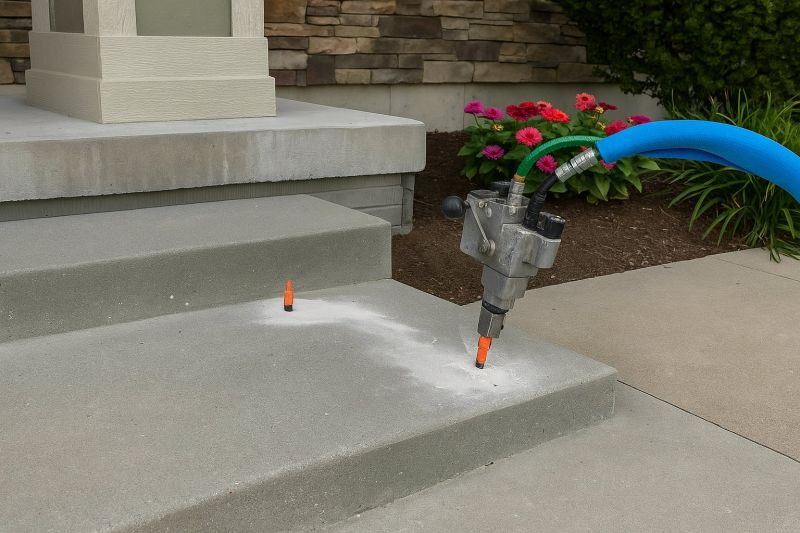
Understanding the common causes of settling in commercial concrete slabs is essential for property owners who notice uneven or sunken areas in their paved surfaces. When people search for this topic, they are often trying to identify why their concrete slabs have shifted or sunk over time, especially in areas like parking lots, walkways, or loading docks. Settling can lead to safety hazards, drainage issues, and aesthetic concerns, making it important to diagnose the underlying reasons before considering repairs. Property managers and business owners frequently look into this topic to determine whether the problem is due to initial construction issues, soil conditions, or other environmental factors that might affect the stability of their concrete surfaces.
This issue is closely related to various property problems and planning considerations. For example, uneven concrete slabs can cause trip hazards, damage to vehicles, or difficulties in maintaining accessible pathways. When addressing these concerns, property owners often explore solutions like mudjacking or slab leveling to restore the surface’s integrity. These procedures are designed to lift and stabilize the concrete by filling voids beneath the slab, which often results from the same causes that lead to settling. Understanding the common causes helps in planning effective repairs and preventing future problems, making it a key consideration for those seeking long-term solutions for their commercial properties.
The types of properties most affected by settling in commercial concrete slabs typically include parking lots, driveways, sidewalks, and loading areas around retail centers, warehouses, and industrial facilities. These surfaces endure heavy traffic, frequent use, and exposure to the elements, all of which can accelerate the effects of settling. The soil beneath these slabs often plays a significant role; properties built on clay, expansive soils, or poorly compacted fill are more prone to shifting and sinking over time. Recognizing the specific property types and soil conditions helps property owners understand the potential causes and the importance of engaging experienced service providers who specialize in slab stabilization and mudjacking.
For property owners facing issues related to settling, connecting with local contractors skilled in concrete slab repair is a practical step. These service providers can assess the specific causes of settling, such as soil erosion, poor compaction, or changes in moisture levels, and recommend appropriate solutions. Mudjacking, in particular, is a common method used to lift and stabilize sunken slabs efficiently and cost-effectively. By addressing the root causes of settling, local pros can help restore the safety, functionality, and appearance of commercial concrete surfaces, ensuring that properties remain safe and accessible for customers, employees, and visitors alike.
Foundation Repair Projects - These projects involve addressing soil instability and settling issues that are similar to common causes of settling in commercial concrete slabs, requiring expertise in soil assessment and stabilization.
Pavement Lifting and Leveling - Local contractors performing pavement leveling use similar techniques and tools as those used in mudjacking to correct uneven surfaces caused by soil movement.
Driveway and Sidewalk Resurfacing - Repairing uneven or sunken concrete surfaces involves understanding soil conditions and applying leveling methods comparable to those in commercial slab settling fixes.
Structural Reinforcement Projects - Reinforcing building foundations or slabs requires knowledge of soil behavior and stabilization techniques that relate closely to addressing settling issues.
Soil Stabilization Services - These services focus on improving soil strength and consistency, which directly impacts the causes of settling in concrete slabs and involves similar planning and tools.
Uneven Floor Leveling - Leveling interior floors affected by underlying soil movement shares techniques and skills with commercial concrete slab leveling and mudjacking services.
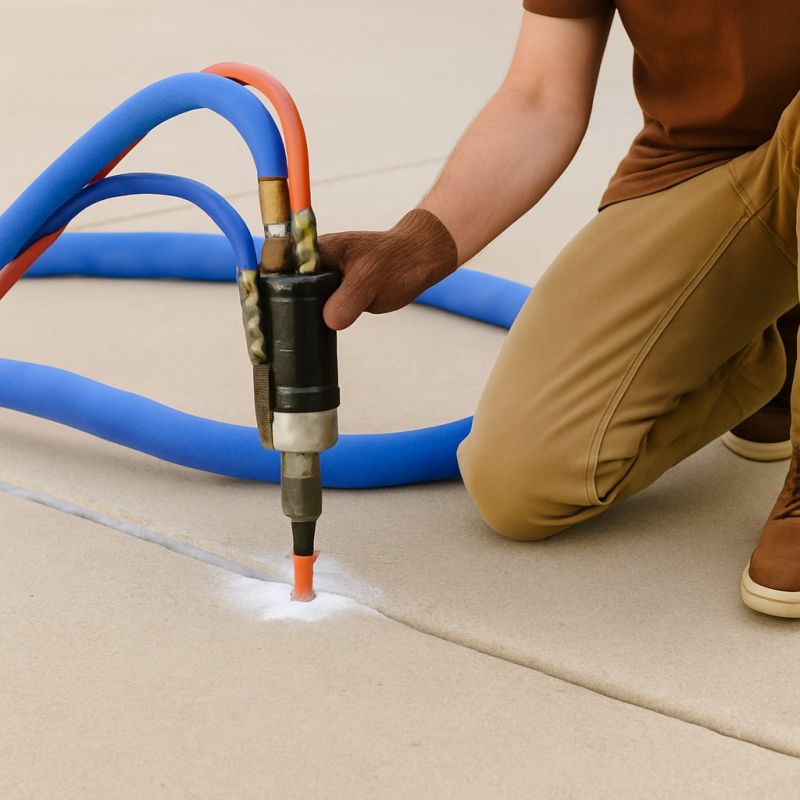
When comparing service providers for concrete slab mudjacking, it is important to consider their experience with similar projects. Contractors who have handled commercial concrete slabs with issues related to common causes of settling are more likely to understand the nuances of diagnosis and repair. An experienced local contractor can evaluate the specific conditions that contribute to settling, such as soil instability or improper slab installation, and recommend appropriate solutions based on their past work. This familiarity can lead to more effective repairs and help ensure the longevity of the corrected slab.
Clear, written expectations are essential when evaluating potential service providers. A reputable local contractor should be able to outline the scope of work, the materials used, and the steps involved in the mudjacking process. Having these details documented helps prevent misunderstandings and ensures that both parties agree on the project’s objectives. It also provides a reference point for assessing whether the proposed approach addresses the common causes of settling in commercial concrete slabs and whether the contractor's method aligns with the specific needs of the project.
Reputable references and good communication are key factors in selecting the right local contractor for mudjacking services. Contractors with a history of positive references from previous clients demonstrate a track record of reliable work and customer satisfaction. Additionally, clear and responsive communication during the initial consultation indicates a professional approach and a willingness to address questions or concerns. This level of responsiveness can be especially valuable when discussing the causes of settling and exploring the most suitable repair options, helping to ensure the project proceeds smoothly and meets expectations.
Property owners often search for common causes of settling in commercial concrete slabs when they are planning practical projects around their homes and businesses. Local pros provide Concrete Slab Mudjacking services for everyday jobs and straightforward project options.
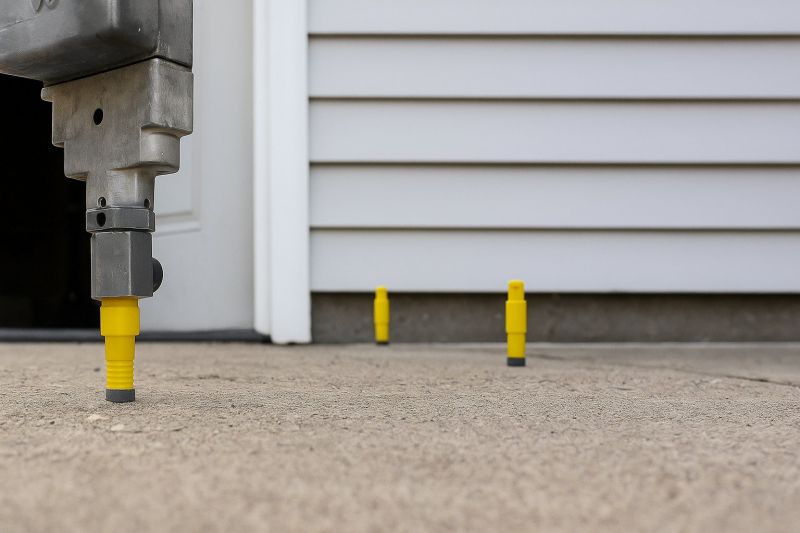
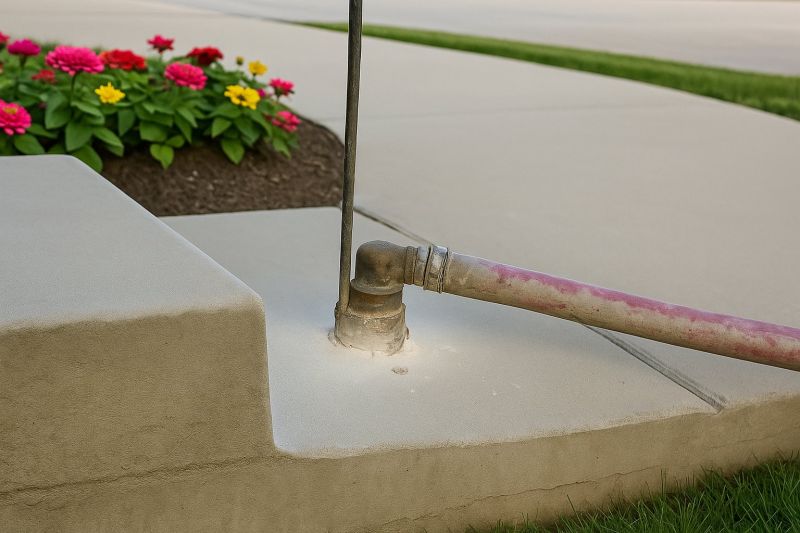
Understanding the common causes of settling in commercial concrete slabs can help property owners identify issues early and seek appropriate solutions. One frequent reason for uneven settling is poor soil conditions beneath the slab, such as expansive clay or loose fill, which can shift over time and lead to uneven surfaces. Additionally, inadequate compaction during the initial installation can leave the ground unstable, increasing the likelihood of future settling. Heavy loads or frequent traffic on the slab can also contribute to its gradual downward movement, especially if the base wasn’t properly prepared beforehand.
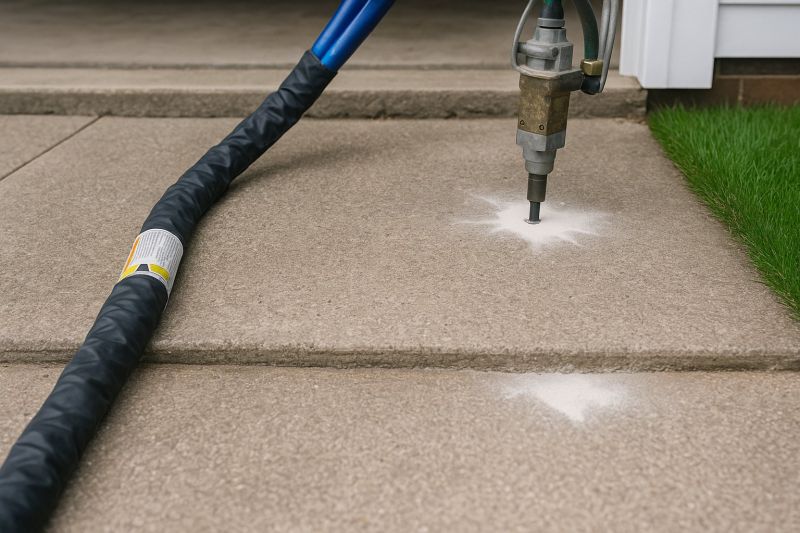
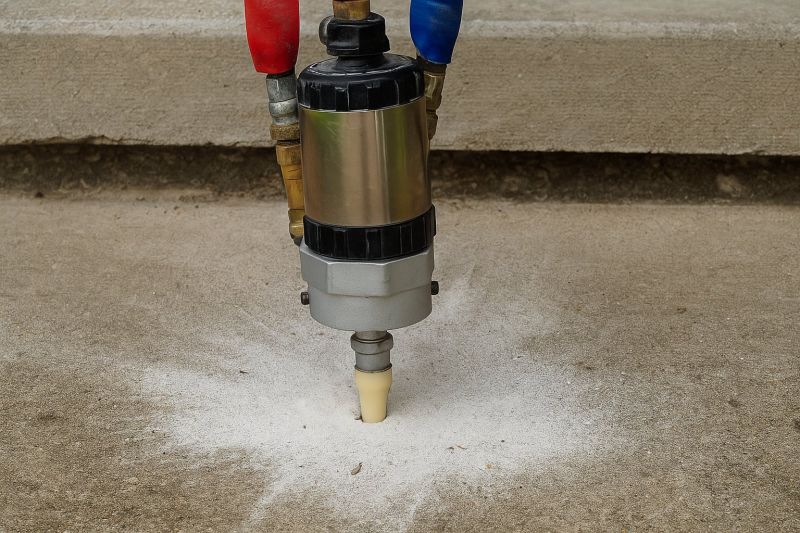
When signs of settling appear, local contractors who specialize in concrete slab mudjacking can provide effective solutions. Mudjacking involves lifting and leveling the slab by pumping a mixture of grout beneath it, which can help stabilize the foundation and restore a level surface. Property owners experiencing issues related to soil instability or uneven concrete may consider consulting with local service providers who have experience addressing common causes of settling in commercial slabs. These professionals can assess the situation and recommend the most suitable approach to improve stability and safety.
What are common causes of settling in commercial concrete slabs? Common causes include soil shrinkage, inadequate subgrade preparation, and moisture fluctuations that lead to uneven support for the slab.
How does soil type affect concrete slab settling? Certain soil types, such as clay or loose fill, are more prone to shifting or shrinking over time, which can cause the slab to settle unevenly.
Can improper compaction during installation lead to settling issues? Yes, insufficient compaction of the subgrade or base materials can result in voids or weak spots that cause the concrete slab to settle or sink.
What role does moisture play in the settling of commercial concrete slabs? Excessive or uneven moisture levels can cause soil expansion or contraction, leading to instability and settling of the slab over time.
How can local contractors help address settling problems in commercial concrete slabs? Experienced service providers can assess the underlying causes and perform mudjacking to lift and stabilize the affected slab areas effectively.
Soil instability - understanding how shifting or loose soil beneath the slab can cause settling helps property owners recognize when mudjacking services are needed to restore stability.
Poor drainage - ensuring proper water flow around the foundation can prevent erosion that leads to uneven settling, encouraging proactive drainage solutions with local contractors.
Inadequate base preparation - recognizing the importance of a solid foundation can guide property owners to seek professional help for proper subgrade work before pouring slabs.
Heavy loads or frequent traffic - knowing how excessive weight impacts slab stability can lead to consulting local experts about reinforcement or leveling to maintain a level surface.
If you are thinking about common causes of settling in commercial concrete slabs for a property, this guide is meant to help you understand this topic, the typical project types, and how different options might fit your plans.
When you are ready, you can use the quote form on this page to share a few details about your project. From there, local pros can review the basics and follow up with options that match what you have in mind.